
Kenya records 37% drop in new HIV infections between 2022 and 2025, ministry says

Kenya has recorded a significant decline in new HIV infections over the past three years, with annual infections dropping by 37 per cent between 2022 and 2025, according to figures released by the Ministry of Health.
The number of new HIV infections in the country declined from 22,154 cases recorded in 2022 to an estimated 13,936 in 2025, representing a reduction of more than 8,200 infections over the three-year period.
The latest figures point to progress in the country's ongoing efforts to reduce HIV transmission through expanded prevention programmes, increased access to testing services, early diagnosis and improved access to treatment.
According to the Ministry of Health, the decline reflects sustained investment and interventions aimed at strengthening Kenya's national HIV response and reducing the number of people acquiring the virus.
Treatment and Prevention Efforts
The government attributes the reduction to continued efforts to expand access to HIV testing, prevention services and antiretroviral therapy (ART), which helps people living with HIV manage the virus and maintain healthier lives.
Speaking during the 2026 World AIDS Day celebrations at Nyayo National Stadium in Nairobi on Sunday, November 29, Principal Secretary for Medical Services Dr Ouma Oluga delivered remarks on behalf of Health Cabinet Secretary Aden Duale.
Dr Oluga disclosed that approximately 1.48 million people are living with HIV in Kenya, with 91 per cent receiving antiretroviral treatment.
He further indicated that 87 per cent of people living with HIV had achieved viral suppression, an important milestone in reducing the risk of transmitting the virus and improving the quality of life for those receiving treatment.
Challenges Remain Despite the Progress
Despite the decline in new infections, health authorities continue to face challenges in protecting children, adolescents and young people from HIV.
Available national estimates indicate that thousands of children continue to acquire HIV, highlighting the need to strengthen prevention of mother-to-child transmission, improve access to maternal healthcare and ensure that children living with HIV receive timely diagnosis and treatment.
The government has also been urged to sustain investment in HIV prevention, particularly community-based programmes, public awareness campaigns, testing services and treatment facilities.
Health experts have consistently emphasized that the decline in new infections should not create room for complacency, as continued prevention efforts remain essential in controlling the epidemic.
Kenya's Target: Ending AIDS by 2030
Kenya's long-term objective is to end AIDS as a public health threat by 2030, in line with global HIV response targets.
Achieving this goal will require sustained collaboration between national and county governments, healthcare workers, development partners, community organisations and members of the public.
The country will also need to address gaps in HIV testing, treatment access, stigma and discrimination, while ensuring that vulnerable populations are not left behind.
The latest figures provide an indication of progress, but the remaining challenges demonstrate that the fight against HIV is far from over.
As Kenya approaches World AIDS Day on December 1, the government continues to call for collective responsibility in preventing new infections, encouraging voluntary testing, supporting people living with HIV and ensuring that everyone who needs treatment can access it.
The message from the latest national statistics is clear: Kenya has made progress in reducing new HIV infections, but sustaining that progress will require continued commitment, investment and public participation.
HAMASTA MEDIA will continue highlighting developments in Kenya's healthcare sector and issues affecting public health.





Show the impact of your work.
Impact stories, campaign videos and community engagement for NGOs and programmes.

More in Health
See all
Children and youth make up 55% of new HIV cases as Kenya targets paediatric gaps
UNAIDS warns new HIV infections could rise as international funding falls
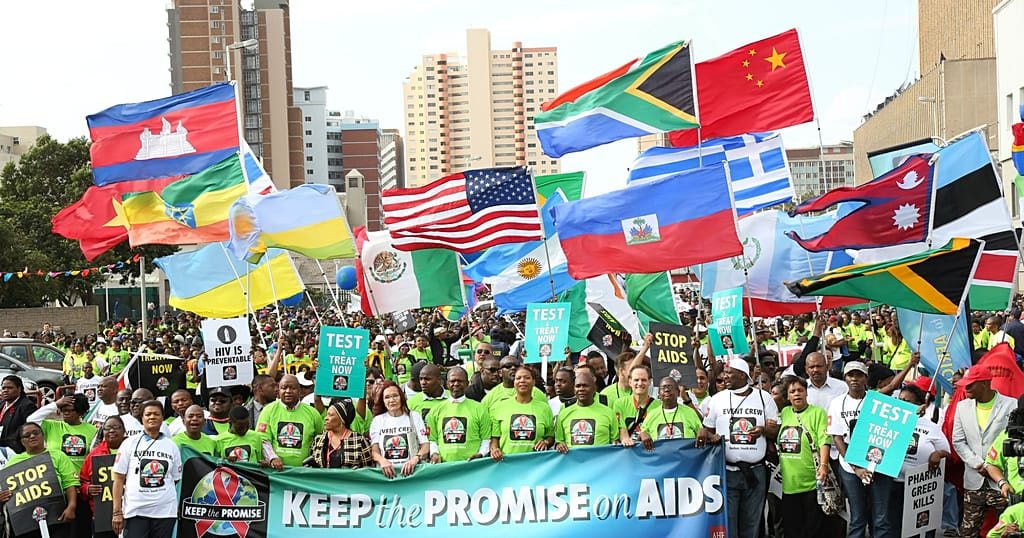
UN warns funding cuts could reverse decades of progress against HIV and AIDS

Ageing with HIV: why health systems must prepare for older patients
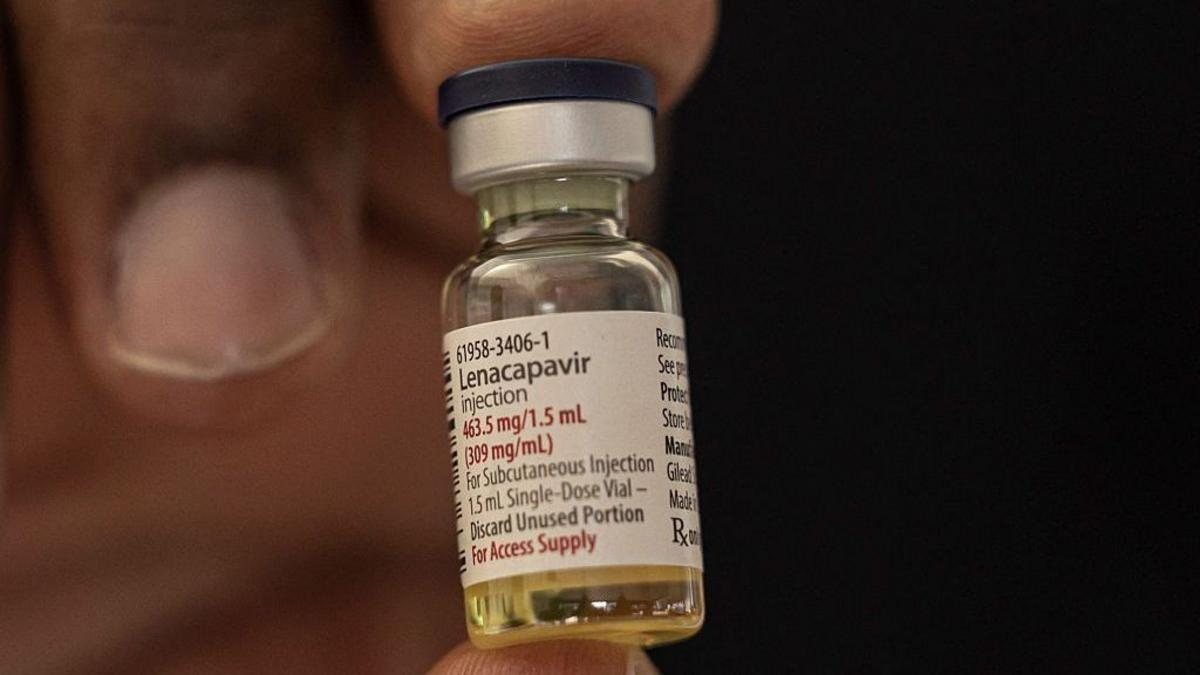
Cheaper generic HIV prevention jab lenacapavir arrives in Africa, Uganda next
Kenya–US health deal: PS Oluga calls for shared ownership as framework is finalised
Global Community Remarks
0