
KRA orders consolidators to declare every small importer's PIN, ID and phone number in shared cargo

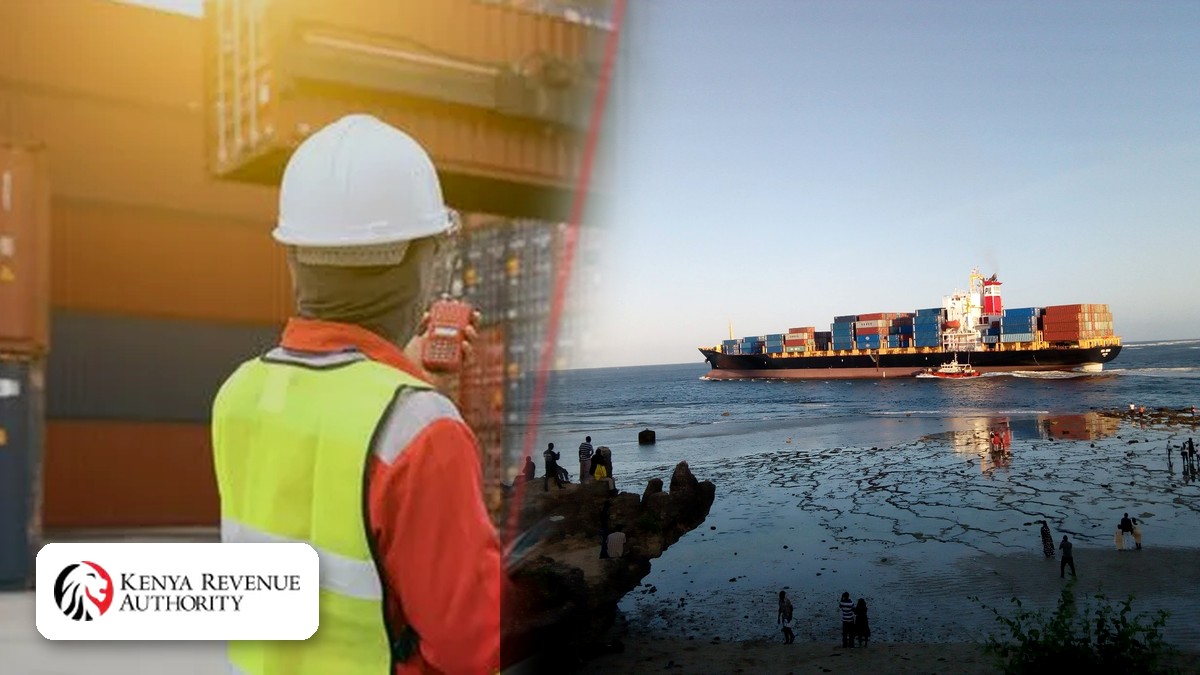
Small traders who pool their goods in shared containers will no longer be able to import anonymously after the Kenya Revenue Authority (KRA) ordered cargo consolidators to declare the personal and tax details of every individual importer in their shipments.
In a public notice dated Tuesday, October 27, the taxman said it was working with consolidators to issue electronic tax invoices to individual traders through the Electronic Tax Invoice Management System (eTIMS), according to reports by Kenyans.co.ke and People Daily.
What must be declared
Under the directive, consolidators must submit the following for each trader whose goods are in a consolidated shipment:
- Full name
- KRA PIN
- National identity card number
- Telephone number
- A description of the goods imported
- The value of those goods
KRA said all consolidators, customs agents and importers dealing in consolidated cargo must ensure the information is fully and accurately declared for every import.
Why KRA wants the data
Consolidated cargo, where a clearing firm packs goods belonging to dozens of traders into one container, is popular with small businesses that import clothes, electronics, cosmetics and spare parts from China, Dubai and Turkey. Because the container is declared under the consolidator's name, individual traders have often been invisible to the tax system.
KRA said the new rule would promote fair competition, improve transparency and accountability in importation and support compliance with customs and tax laws. It added that issuing eTIMS invoices to each trader will allow those who are registered for VAT to claim input VAT on their imports, subject to the law.
Part of a wider crackdown
The notice is the latest in a series of measures targeting the consolidation business. KRA had earlier ordered consolidators to register afresh and hand over lists of the traders whose goods they handle.
In September, the authority began implementing a Sh2 million cargo clearance threshold announced under a directive by President William Ruto, and started engaging consolidators on how it would work.
On October 22, KRA also announced that digital marine cargo insurance will be mandatory for all imported goods from November 1, with importers and clearing agents required to hold valid policies from insurers licensed by the Insurance Regulatory Authority.
The measures come as KRA battles a widening revenue gap and seeks to bring more informal traders into the tax net. Traders' lobbies have previously warned that heavy paperwork could push up clearing costs for small importers, many of whom use consolidators precisely because they cannot afford to fill a container on their own.
Photos: Kenyans.co.ke; Ian Kiptoo via Wikimedia Commons (CC BY 4.0). Logo: Kenya Revenue Authority. Thumbnail design: HAMASTA MEDIA.

Tell your story on screen.
Commercials, documentaries, interviews and social video, from script to final cut.





More in Business
See all
Why a litre of petrol costs Sh227: inside Kenya's fuel price squeeze

Kenya's Sh13.48 trillion debt: Where the money goes and what it costs you

Equity Bank backs Sh13bn Galana-Kulalu maize expansion as Selu reports yields of 35 bags an acre

Digital farm advice reaching 8.5 million smallholders at risk as donor money dries up, AgriFin forum warns

Muhoroni, Chemelil cane farmers reject Ichung'wah's Crops Bill, say new KADCO lender will bring back cartels

Kenya imports 60% of its potato products, Kagwe tells World Potato Congress as he courts processors
Global Community Remarks
0