
COP31 ends without climate deal as nations split over fossil fuels
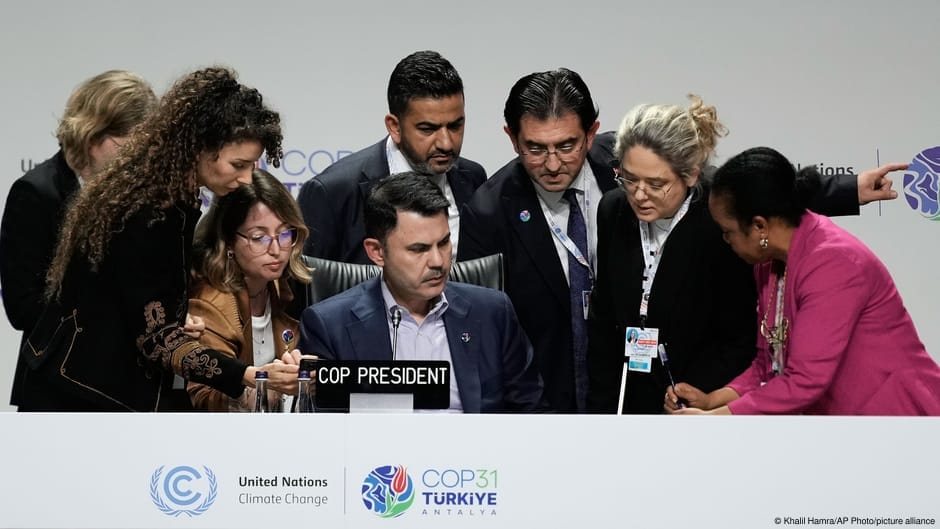
The UN's COP31 climate summit in Antalya, Turkey, has ended without a final joint declaration after countries failed to resolve a bitter dispute over whether to mention fossil fuels in the agreement, according to DW News.
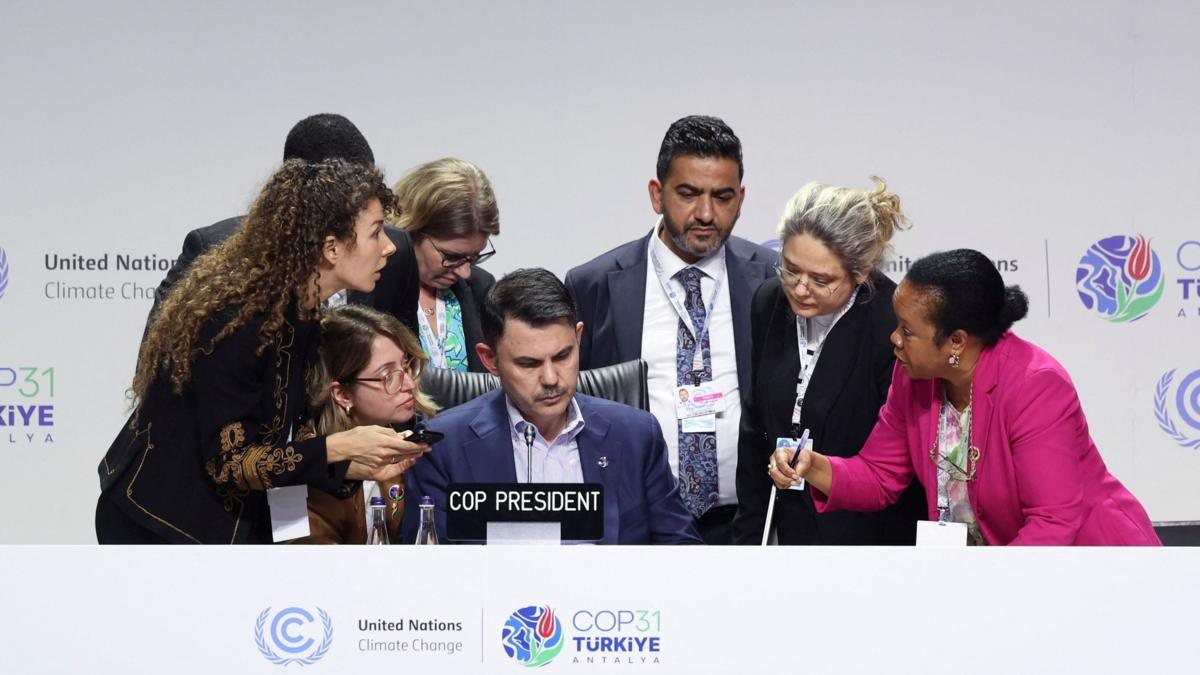
Summit president Murat Kurum, who is also Turkey's environment minister, conceded at a closing plenary that there was no consensus on the text.
"For that reason, these decisions have not been adopted," Kurum told delegates.
The talks, which drew diplomats and delegates from nearly 200 countries, were due to close on Friday but ran deep into overtime. By the time of the closing session, the meeting had gone more than 40 hours beyond its scheduled end, raising concerns that departing delegates could leave too few participants to take any decision.
Fossil fuels at the heart of the rift
The central dispute was over the phaseout of coal, oil and gas, which scientists identify as the main cause of global warming. The third and final draft did not contain the words "fossil", "oil", "coal" or "phase out". It referred only indirectly to a 2023 agreement committing the world to transition away from fossil fuels.
The draft kept a target to raise electricity's share of global energy use to 35% by 2035 and encouraged wider use of clean energy. However, it did not require the electrification goal to be met with renewable sources, and it urged countries to speed up carbon capture and storage, a contested technology supported by the fossil fuel industry.
European nations, small island states and climate campaigners blamed oil-producing countries for the omission. The summit was held against a backdrop of high energy prices and tensions linked to the US-Israeli war with Iran, DW News reported.
Europe refuses to sign
Ireland's climate minister, Darragh O'Brien, said the European Union was deeply disappointed with the draft and would not back a decision that ignored the science and failed to name the main driver of climate change. He said the bloc would not accept an outcome that greenwashed fossil fuels.
Germany's environment minister, Carsten Schneider, described the text as unacceptable and a step back from earlier climate commitments. He argued that while most nations supported climate action, some were earning large profits from oil and gas and were unwilling to cut production. France's ecological transition minister, Monique Barbut, also called the draft a backward step.
Africa and vulnerable nations voice anger
Antwi-Boasiako Amoah of Ghana, who chairs the African Group of Negotiators, criticised the presidency's handling of the talks, saying it had failed to show respect to the bloc of 54 African countries and to Ghana.
Panama's environment minister, Juan Carlos Navarro, said the negotiations were being held hostage by what he called a petroleum mafia. He said his country, which is among those hit hardest by climate impacts, could not support the decision and that those responsible for the crisis should bear the cost of addressing it.
Campaigners divided on blame
Jennifer Morgan, a former Greenpeace executive, said that for the first time in 31 summits she believed no decision was better than one that set the world back. She accused Saudi Arabia of shaping the draft and said the Turkish presidency had been poorly prepared compared with Brazil's last year.
Other groups pointed the finger at wealthy nations. Harjeet Singh of the Fill the Fund campaign said rich countries had arrived without money, pushing developing nations for more ambition while refusing to pay for adaptation, loss and damage or a just transition. ActionAid International's Teresa Anderson said the electrification and carbon capture measures would mainly benefit fossil fuel, nuclear, data and carbon capture industries, while ActionAid USA's Brandon Wu accused the EU and other developed countries of showing no spirit of compromise.
Before the collapse, Kurum had warned that countries pushing the process into deadlock would need to reflect on their positions.
This story was prepared by the Hamasta Newsdesk with AI assistance, based on reporting by DW News. Read the original report. Photo: DW News.


Grow an audience that listens.
Social media management, digital campaigns and online storytelling that converts.



More in Environment
See all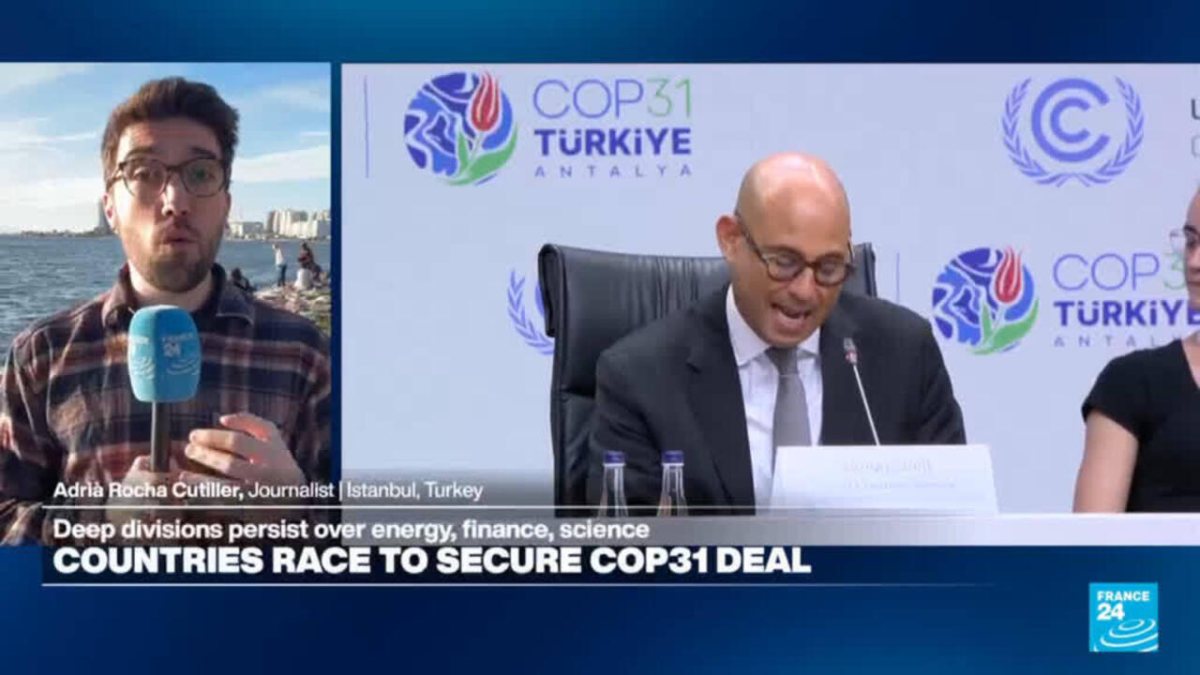
COP31 talks run into overtime as rows over fossil fuels and climate cash deepen
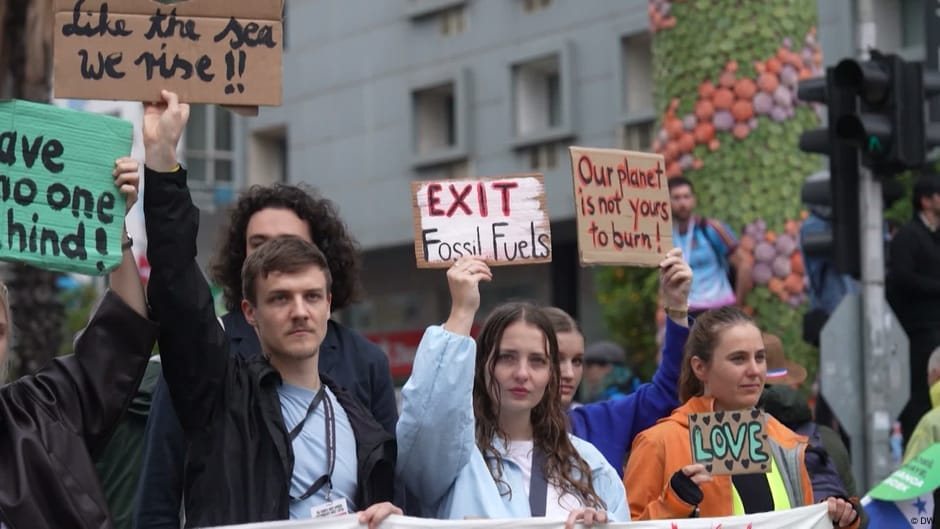
COP31 draft deal drops all mention of fossil fuels as Turkey talks near deadline
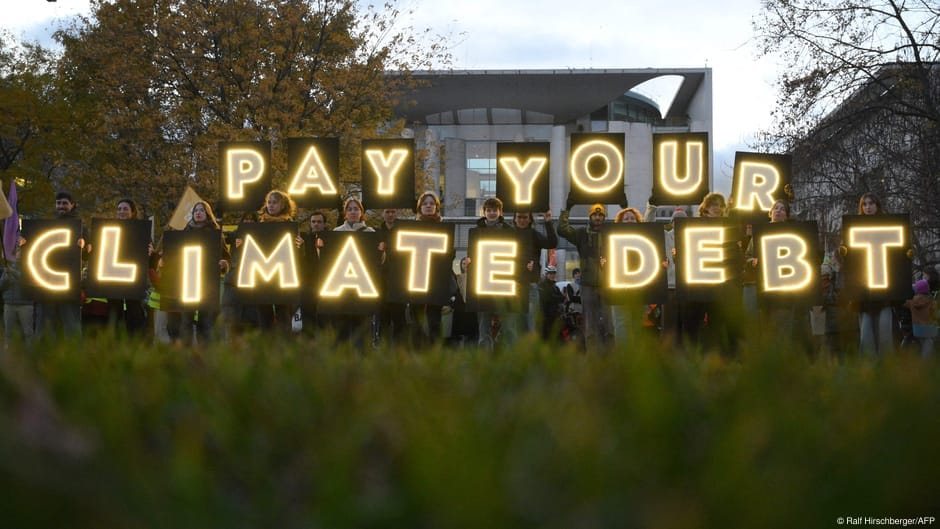
COP31 draft deal seeks swift exit from fossil fuels and $120bn for adaptation
African negotiators at COP31 demand concrete action on climate justice
COP31 talks in overtime as new draft deal seeks to rescue climate summit
Global Community Remarks
0