
COP31 climate talks in Turkey collapse without deal as fossil fuel rift deepens
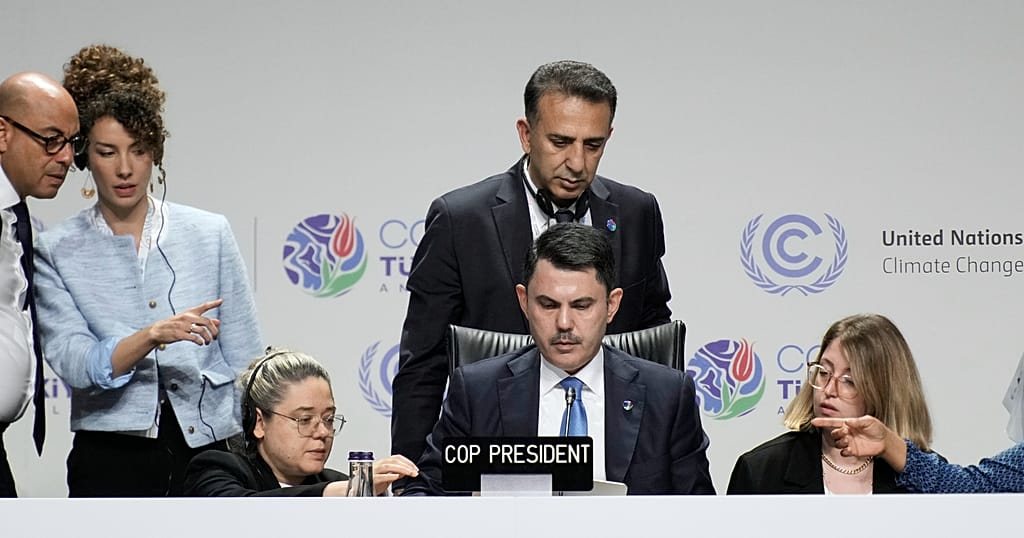
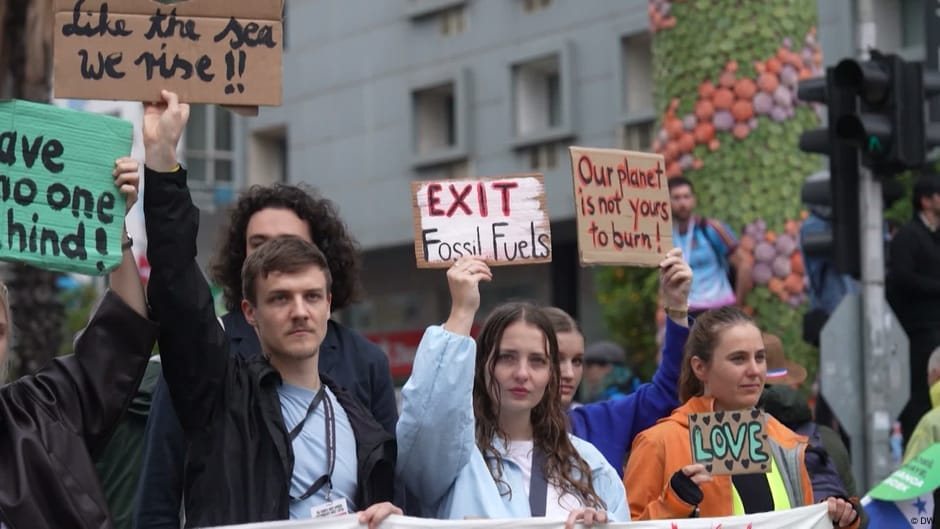
The COP31 climate summit in Turkey has ended without agreement on its most important questions. Countries failed to settle their differences over fossil fuels, climate finance and carbon-removal technologies, according to Africanews.
The negotiations ran two days beyond their scheduled close before breaking down on Sunday. The central dispute was whether the final text should include language on phasing out fossil fuels.
The outcome has raised fresh doubts about the future of global climate diplomacy, which depends on all participating nations agreeing.
Stiell: 'The world cannot afford a repeat'
UN climate chief Simon Stiell said he was disappointed. He noted that the summit had been unable to reach agreement on the issues tied to the two decisions led by the conference presidency.
"The world cannot afford a repeat."
Stiell said negotiators had arrived with 165 agenda items. They resolved many of them but could not close the most contentious ones.
He said the talks had fallen short of the higher ambitions demanded at a time when the world faces overshooting key warming limits. He added that much more work remains to be done.
Where the talks broke down
Fossil fuels were not the only sticking point. According to Africanews, delegations were also divided on:
- climate financing for developing nations;
- the timing of scientific assessments; and
- the role of carbon capture technologies.
Climate finance is a major concern for developing countries, including those in Africa. Many of these nations are seeking support to adapt to climate impacts and to move towards cleaner energy.
Calls to change the consensus rule
The collapse has revived calls to reform how COP decisions are made. Under the current system, every participating country must agree before a decision is adopted. This means a single nation can block a deal.
Changing that rule, however, would itself require consensus. That leaves reformers facing the same obstacle they are trying to remove.
Alternative routes gain attention
Formal negotiations have delivered limited progress. As a result, attention is shifting to other approaches, Africanews reported.
These include legal action. They also include agreements among smaller groups of countries that are willing to move faster on issues such as phasing out fossil fuels, without waiting for every nation to sign up.
It remains unclear how such coalitions would relate to the formal UN process. Their growing appeal reflects frustration with the pace of global talks.
The deadlock in Turkey now adds pressure on the next round of negotiations to deliver where COP31 did not.
This story was prepared by the Hamasta Newsdesk with AI assistance, based on reporting by Africanews. Read the original report. Photo: Africanews.
Every moment, captured beautifully.
Events, corporate portraits, products and editorial shoots by our newsroom photographers.






More in International
See all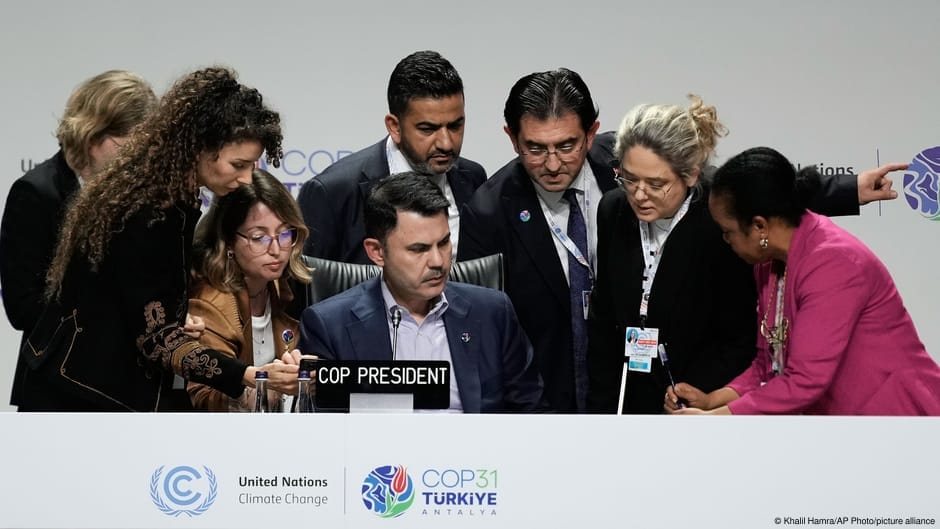
COP31 ends without climate deal as nations split over fossil fuels
COP31 talks in overtime as new draft deal seeks to rescue climate summit
COP31 talks run into overtime as rows over fossil fuels and climate cash deepen
COP31 draft deal drops all mention of fossil fuels as Turkey talks near deadline
African negotiators at COP31 demand concrete action on climate justice
Global Community Remarks
0