
Kenya's nine-month export earnings top Sh1 trillion for first time as US demand surges
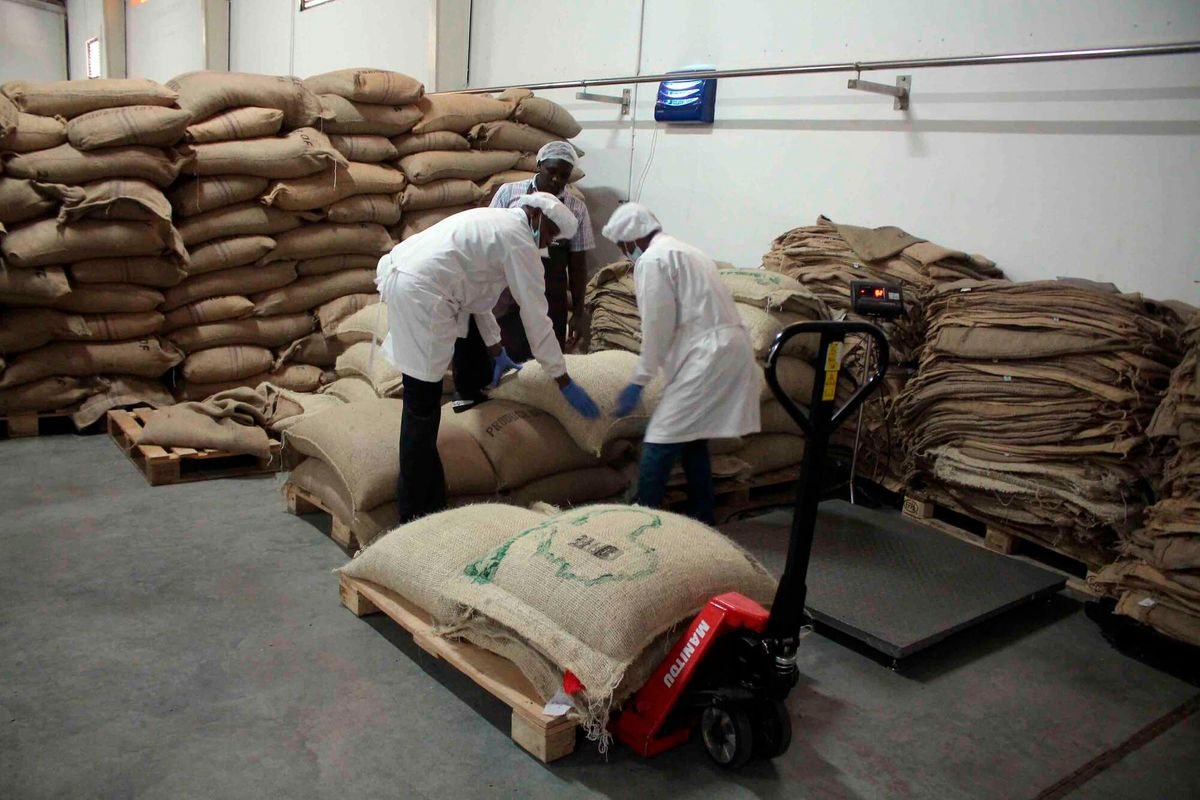
Kenya's export earnings have surpassed Sh1 trillion in a January-to-September period for the first time, lifted by stronger agricultural sales and a sharp rebound in orders from the United States, according to Business Daily.
Provisional trade data from the Kenya National Bureau of Statistics (KNBS) shows total exports climbed 19.8 percent to Sh1.008 trillion in the nine months to September, up from Sh841.84 billion in the same period last year.
The record, however, was overshadowed by an even faster increase in imports, which widened the country's trade gap.
Trade deficit widens
Spending on foreign goods rose 24.3 percent to Sh2.56 trillion over the nine months. That added Sh499.7 billion to the import bill, against an extra Sh166.5 billion earned from exports.
As a result, the trade deficit grew 27.4 percent to Sh1.55 trillion, from Sh1.22 trillion a year earlier, underlining how far export gains remain from reducing the economy's reliance on imported goods.
China and India remained Kenya's top sources of imports, with KNBS putting purchases from China at Sh113.2 billion, India at Sh51.8 billion and the US at Sh21.9 billion.
Farm exports drive growth
The KNBS figures, drawn from Kenya Revenue Authority records, point to agriculture as a key driver of the export rise.
- Coffee: earnings rose 16.9 percent to Sh50.69 billion as volumes grew 12.3 percent to 50,821 tonnes.
- Cut flowers: income, mostly from the Netherlands, rose 20.5 percent to Sh74.14 billion on a 7.2 percent rise in volumes to 106,495 tonnes.
- Vegetables: the fastest-growing category, with earnings from produce such as French beans and peas up 66.2 percent to Sh18.87 billion as volumes jumped 63.7 percent to 78,304 tonnes.
- Fruits: earnings from avocados, pineapples and others rose 6.4 percent to Sh37.23 billion, even though volumes fell 12.8 percent to 180,812 tonnes.
Tea, the country's leading traditional export, showed the role of prices in sustaining foreign-exchange earnings. Shipments slipped to 472,900 tonnes from 479,500 tonnes, but their value increased to Sh140.7 billion from Sh134.9 billion, KNBS said in its September 2026 Leading Economic Indicators report.
US becomes top market
The most notable shift was in destinations, with the United States displacing Uganda as Kenya's largest export market.
Exports to the US more than doubled to Sh116.09 billion, from Sh57.52 billion in January to September 2025, giving America roughly 13.7 percent of Kenya's domestic exports.
Uganda remained a key regional buyer, with purchases up 5.8 percent to Sh103 billion. Exports to Pakistan rose 10.6 percent to Sh60.32 billion, while Rwanda recorded a 22.6 percent increase to Sh31.55 billion and Egypt a 34.6 percent rise to Sh26.65 billion.
In September alone, shipments to the US reached Sh27.9 billion, more than double the Sh12.0 billion recorded in August, according to KNBS.
Agoa revival restores confidence
The surge in American demand partly reflects renewed buyer confidence after preferential access for Kenyan goods under the African Growth and Opportunity Act (Agoa) was restored.
Kenya Association of Manufacturers chief executive Tobias Alando told Business Daily that exporters faced about six months of uncertainty after Agoa lapsed in September 2025, during which Kenyan goods attracted full US import duties.
The March 2026 extension was applied retrospectively, allowing duties paid on eligible products during the gap to be refunded. Mr Alando said a further renewal covering January 2027 to December 2028 had also reassured exporters and investors.
American buyers have since resumed orders that had been scaled back because of the extra duties, while some are seeking to make the most of duty-free access before the current arrangement ends.
Kenyan apparel factories supply US brands including H&M, Levi's, JCPenney and Wrangler, with cotton trousers, overalls, breeches and shorts forming the biggest export category. Synthetic-fibre clothing, macadamia nuts, tea, coffee and fresh produce also go to the American market.
This story was prepared by the Hamasta Newsdesk with AI assistance, based on reporting by Business Daily. Read the original report. Photo: Business Daily.


Take your event live to thousands.
Multi-camera live streams, panel discussions and digital broadcasts with professional crews.




More in Business
See all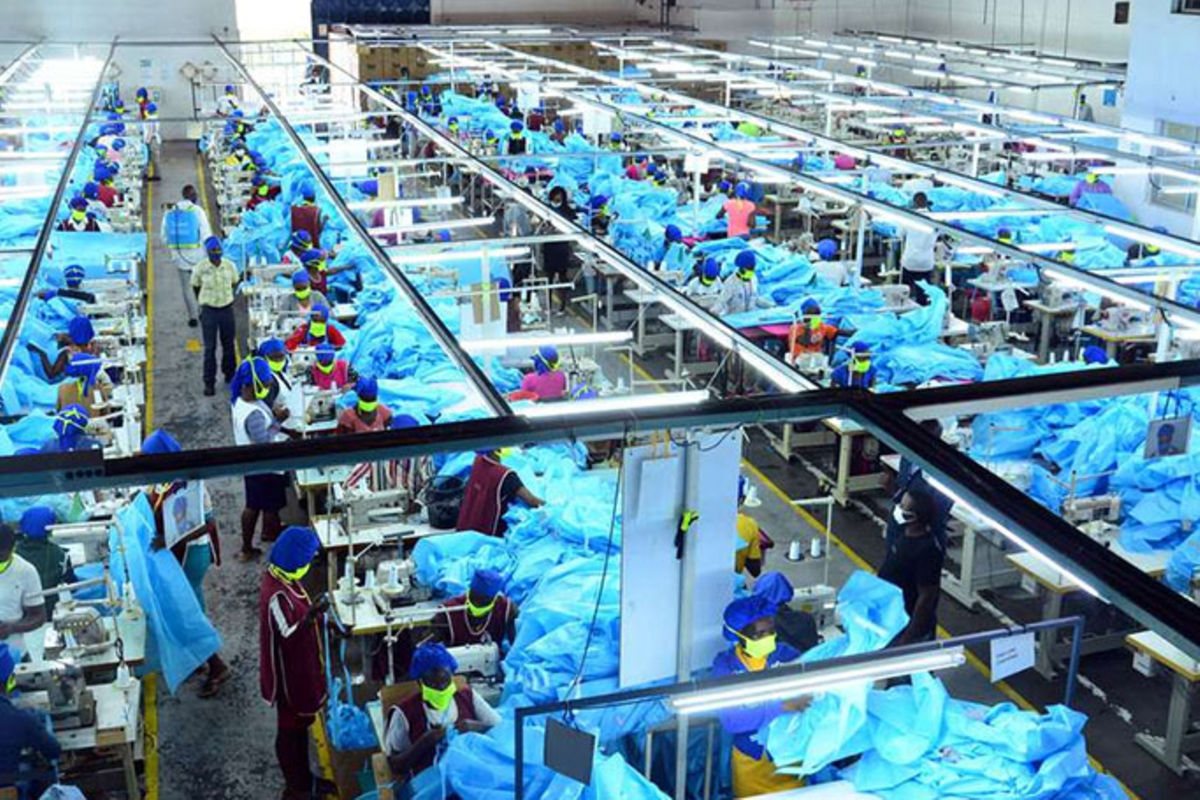
Kenya's exports to the US double to Sh116bn as solar cells join coffee and apparel
Kenya's Sh13.48 trillion debt: Where the money goes and what it costs you
Tunisia's olive oil exports surge nearly 50% after record harvest

Treasury's Sh5.4 trillion plan for 2027/28: Recurrent spending crosses Sh4 trillion as development budget shrinks

NSE market value crosses Sh4 trillion for the first time, but share trading slumps 72%

Global Community Remarks
0