
NATO pledges to defend space as Russia nuclear satellite reports emerge
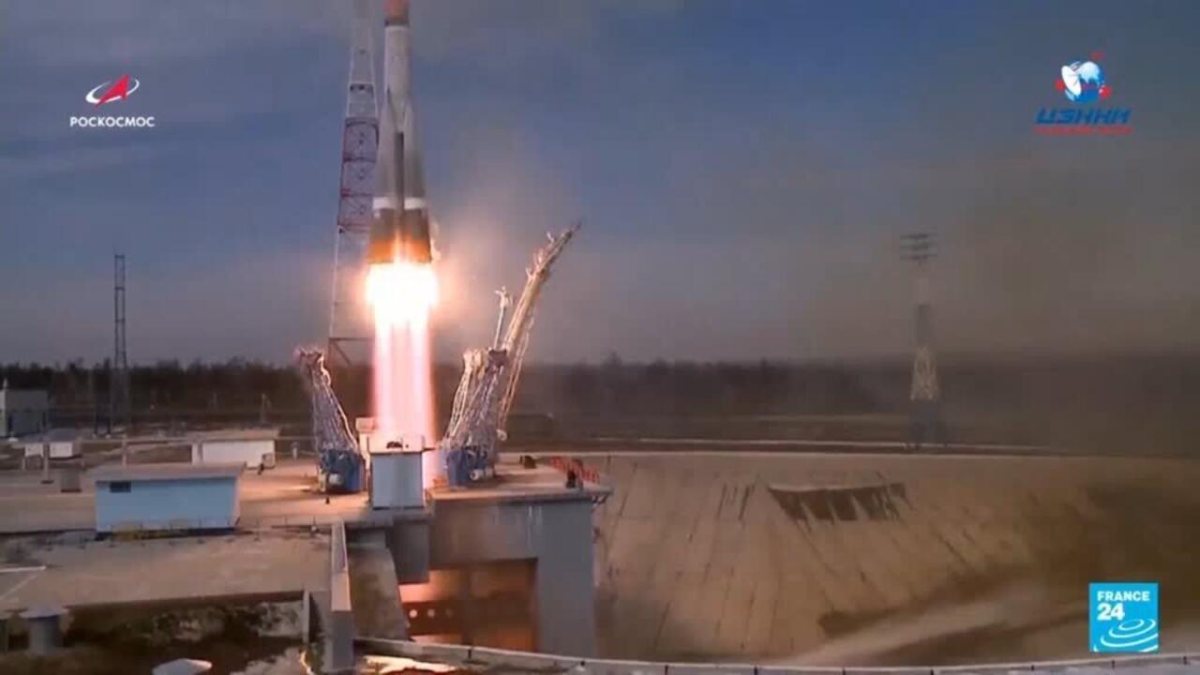
NATO will defend itself against threats in space, the alliance's Secretary General Mark Rutte said on Monday, responding to German media reports that Russia may be preparing to put a nuclear-armed satellite into orbit.
Rutte made the remarks when questioned about the reports, according to France 24. He did not confirm the claims, but signalled that the alliance regards space as a domain it is prepared to protect.
What the reports say
The German media reports cited unnamed sources within the German military and the BND, Germany's foreign intelligence agency, France 24 reported.
According to those sources, Moscow is thought to be planning the launch within the coming weeks. Such a satellite would give Russia the ability to destroy other satellites in orbit, the reports said.
The claims have not been independently verified, and the sources quoted in the German reports were not named. France 24's report did not include any response from Russian officials.
Why it matters
A nuclear weapon placed in orbit would mark a significant escalation in the militarisation of space. The 1967 Outer Space Treaty, which Russia, the United States and most major space powers have signed, prohibits placing nuclear weapons or other weapons of mass destruction in orbit around the Earth.
A weapon capable of disabling satellites could have consequences far beyond any battlefield. Modern economies depend on satellites for communications, navigation, weather forecasting, banking and broadcasting, and damage in orbit could affect services used by people around the world.
The reports come as tensions between Russia and NATO members remain high, with the alliance repeatedly stressing its commitment to collective defence.
The African angle
For countries such as Kenya, the issue is not remote. Kenya has been building its own space capabilities and launched its first operational earth observation satellite, Taifa-1, in 2023, while mobile money, internet connectivity and GPS-based services across the continent rely heavily on satellite infrastructure.
Any conflict that threatens satellites in orbit could disrupt systems that African governments, businesses and households increasingly depend on, even though the continent is not party to the dispute.
What comes next
It remains unclear what specific measures NATO might take in response to any such launch. Rutte's comments, as reported by France 24, did not set out particular steps.
Attention will now turn to whether the reported launch takes place in the weeks ahead, and to how Western governments and Moscow respond to the claims made by German intelligence sources.
This story was prepared by the Hamasta Newsdesk with AI assistance, based on reporting by France 24. Read the original report. Photo: France 24.



Grow an audience that listens.
Social media management, digital campaigns and online storytelling that converts.



More in International
See all
Russia reportedly demands NATO pull troops back to 1997 positions in Eastern Europe

NATO grapples with sovereignty risks as militaries lean on private tech and AI

US sounds out Ukraine on ceding Donetsk for NATO-style security guarantees
Russia warns Estonia of 'open war' over border closure and drone claims

Iran weighs nuclear doctrine shift as war with US and Israel drags on

Global Community Remarks
0