
Human Rights Watch urges African states to stand by ICC amid US pressure
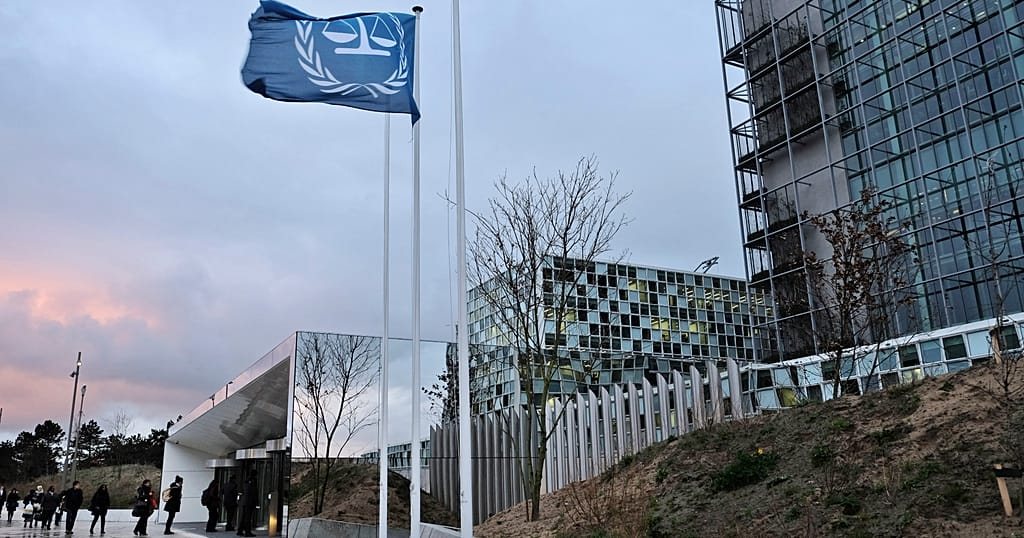
Human Rights Watch has called on African member states of the International Criminal Court (ICC) to stand firmly behind the tribunal as it comes under growing pressure from the United States, according to Africanews.
The appeal comes ahead of the court's annual Assembly of States Parties in The Hague, where governments that have signed up to the court gather to discuss its work and future.
Call to protect independence
The rights organisation is urging member countries, African states among them, to safeguard the ICC's independence and to protect individuals who cooperate with its investigations, Africanews reported.
Human Rights Watch has also warned against proposals that would narrow the court's jurisdiction or give powerful leaders protection from prosecution. According to the group, such changes could weaken the wider system of international justice.
In addition, the organisation is pressing governments to resist diplomatic pressure to pull out of the Rome Statute, the founding treaty that established the court.
Sahel states heading for the exit
The call comes as Niger, Burkina Faso and Mali have announced plans to withdraw from the ICC. The three countries have accused the court of practising selective justice and have described it as a tool of "neocolonial repression", Africanews reported.
Their withdrawals are scheduled to take effect in June 2027, according to the report.
The complaint that the court focuses unfairly on Africa is not new. Over the years, several African governments and leaders have raised similar concerns about the ICC's choice of cases, and the issue has repeatedly featured in debates about the continent's relationship with the tribunal.
Pressure from Washington
The court is also facing criticism from US President Donald Trump. According to Africanews, Mr Trump has accused the ICC of going beyond its mandate by investigating people from countries that are not party to the Rome Statute, such as Israel.
The United States is not a member of the court, and Washington's position has added to the strain on an institution that relies heavily on the cooperation of its member states to carry out investigations, arrest suspects and enforce its decisions.
Why it matters for Africa
African states form a significant part of the ICC's membership, making their stance important to the court's credibility and survival. Kenya is among the states parties to the Rome Statute and has had a long and often tense history with the court.
Human Rights Watch's message is that member countries, rather than retreating, should use the Assembly of States Parties to reaffirm their commitment to the court and reject efforts to dilute its powers.
How African delegations respond in The Hague is likely to be closely watched, particularly as the planned exits by Niger, Burkina Faso and Mali raise questions about whether other governments might follow suit.
The assembly offers member states a platform to set out their positions on the court's independence, its jurisdiction and the protection of those who work with it, all issues that Human Rights Watch has placed at the centre of its appeal.
This story was prepared by the Hamasta Newsdesk with AI assistance, based on reporting by Africanews. Read the original report. Photo: Africanews.
Every moment, captured beautifully.
Events, corporate portraits, products and editorial shoots by our newsroom photographers.






More in International
See all
Tajikistan begins ICC exit as US campaign against the court gathers pace
Duterte's ICC murder trial opens, reviving memories of Philippines drug war
Amnesty urges ICC to probe Israel for genocide over harm to births in Gaza
European rights court says states may turn back migrants, with limits
Five EU states plan Rwanda deportation hub as critics warn of rights 'black hole'

Global Community Remarks
0