
Loss and damage fund struggles as climate-hit nations wait for money
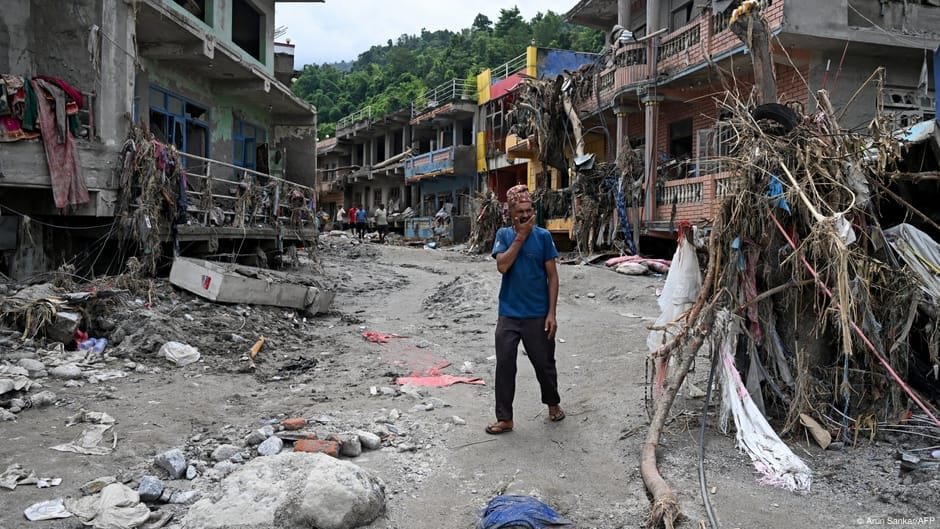
A global fund created to help poorer countries recover from climate disasters is falling far short of demand, with pledges drying up and affected nations still waiting for money to arrive, according to DW News.
The Fund for Responding to Loss and Damage received $2.8 billion (about €2.56 billion) in urgent requests during its first call for funding. At the time, only $342 million was available to meet them.
Even the money that has been promised is slow to materialise. By this summer, only about half of the amount currently pledged had actually been paid in, DW News reported.
A hard-won fund
The fund was set up after years of pressure from climate-vulnerable nations. It is meant to cover both sudden disasters, such as floods, heatwaves and wildfires, and slower, irreversible harm including rising seas, desertification and damage to crops and infrastructure.
At the COP31 climate talks in Antalya, Turkey, new commitments were thin. The European Commission signed a €25 million contribution agreement, formalising a pledge first made at COP28, while Spain offered an extra €15 million. Beyond these, fresh contributions were scarce.
Among those who travelled to Antalya to press delegates was 16-year-old Rasel Babu from Bangladesh, where families living on the sandbars and river islands of the Brahmaputra have few options when the waters rise.
"The floodwater swallows everything," he said.
Nepal's payout stuck in paperwork
The fund's first emergency response is earmarked for Nepal. Its board has provisionally set aside $21.6 million after a glacier collapse in August unleashed flash floods that killed more than 1,500 people and left 5,600 missing.
However, none of that money has yet been released. Nepal must first file a funding request explaining how the money will be used.
Nepali climate finance expert Bibek Raj Kandel criticised the requirement, arguing that asking a country in the middle of an emergency to draft a proposal adds bureaucracy that does not match the urgency of the situation.
Kandel noted that Nepal already has a separate request pending, lodged after floods in Kathmandu and landslides in the country's eastern hills. He warned that unless the fund moves faster, it will disappoint many countries.
Pakistan still empty-handed
Pakistan, which led the campaign for the fund in 2022 after floods affected 33 million people and killed more than 1,730, has also received nothing so far.
Shezra Mansab Ali Khan Kharal, Pakistan's Minister of State for Climate Change, told DW News that her country had played a key role in placing loss and damage on the climate agenda, but that the process was taking a long time. She said Pakistan had seen nothing on the ground yet.
According to the minister, Pakistan has submitted two projects and has been told funding is capped at $200 million.
Abid Qaiyum Suleri, executive director of the Sustainable Development Policy Institute in Islamabad, described the commitments as hollow. He stressed that for a heavily indebted nation, the form the money takes matters as much as the amount.
Kharal echoed that concern, saying a climate disaster should not deepen Pakistan's debt burden, and called for support to come as grants rather than loans.
Why it matters
The fund's difficulties are likely to be watched closely by climate-vulnerable regions around the world, including East Africa, where Kenya and its neighbours have endured repeated droughts and floods in recent years. The gap between what has been requested and what is on the table raises questions about how far the fund can go in helping countries rebuild after disasters they did little to cause.
This story was prepared by the Hamasta Newsdesk with AI assistance, based on reporting by DW News. Read the original report. Photo: DW News.



Grow an audience that listens.
Social media management, digital campaigns and online storytelling that converts.



More in Environment
See all
Greenpeace protests at COP31 in Turkey, says climate finance push is stalling
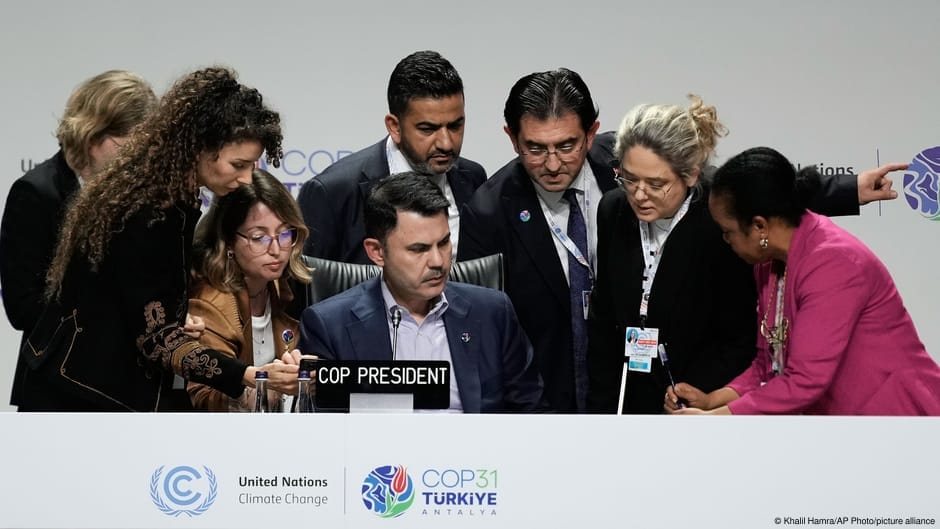
COP31 ends without climate deal as nations split over fossil fuels

Nepal's Balendra Shah heads to Delhi seeking reset with India
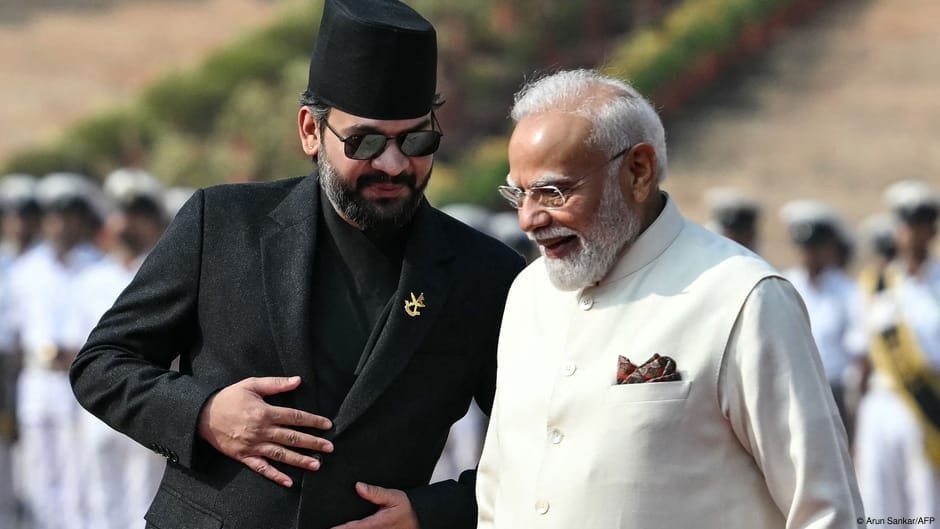
Nepal's rapper-turned-PM Balendra Shah secures $1.63bn flood aid on India visit
Vanuatu urges overhaul of UN climate talks, warns COP31 could backslide
Global Community Remarks
0